
AI & automation · Insights
- business automation cameroon
- ai implementation small business
AI creates business value when it improves a repeated decision, removes avoidable manual work or makes important knowledge easier to access. Buying an AI tool without identifying that operating problem usually produces an impressive demonstration and little lasting change.
This article offers a practical framework for owners and managers in Cameroon and across Africa who want to use AI and automation sensibly: where to look for opportunities, how to keep control, how to adapt systems to local conditions and how to start small.
AI and automation are not the same thing
Automation follows fixed rules: when a payment is recorded, issue a receipt; at the end of the day, send a sales summary. It is predictable and often does not require AI at all. AI is useful when the task involves language, images or judgement: drafting a reply, summarising a document, classifying a request or transforming a photo.
Many of the best results come from combining both. Simple automation handles the predictable steps, and AI assists with the parts that need interpretation. Some problems need neither, just better-organised data and a clear process.
Look for repetition and knowledge bottlenecks
Good starting points include repeated document preparation, customer questions, inventory summaries, report generation, information retrieval and structured review. The process should be frequent enough that improvement creates a meaningful cumulative benefit.
Questions that reveal good candidates
- Which tasks do staff repeat every day or every week with small variations?
- Where do customers wait for answers that already exist somewhere in the organisation?
- Which reports are compiled by hand from several sources?
- Which knowledge lives only in one experienced person's head?
- Where do errors cost money, time or reputation?
Examples across sectors
- Schools: report generation, marks analysis and parent communication drafts.
- Pharmacies and retail: daily sales summaries, stock alerts and discrepancy flags.
- Service businesses: answering common enquiries, preparing quotations and following up leads.
- Health: helping clinicians find relevant guidance quickly, with professional verification.
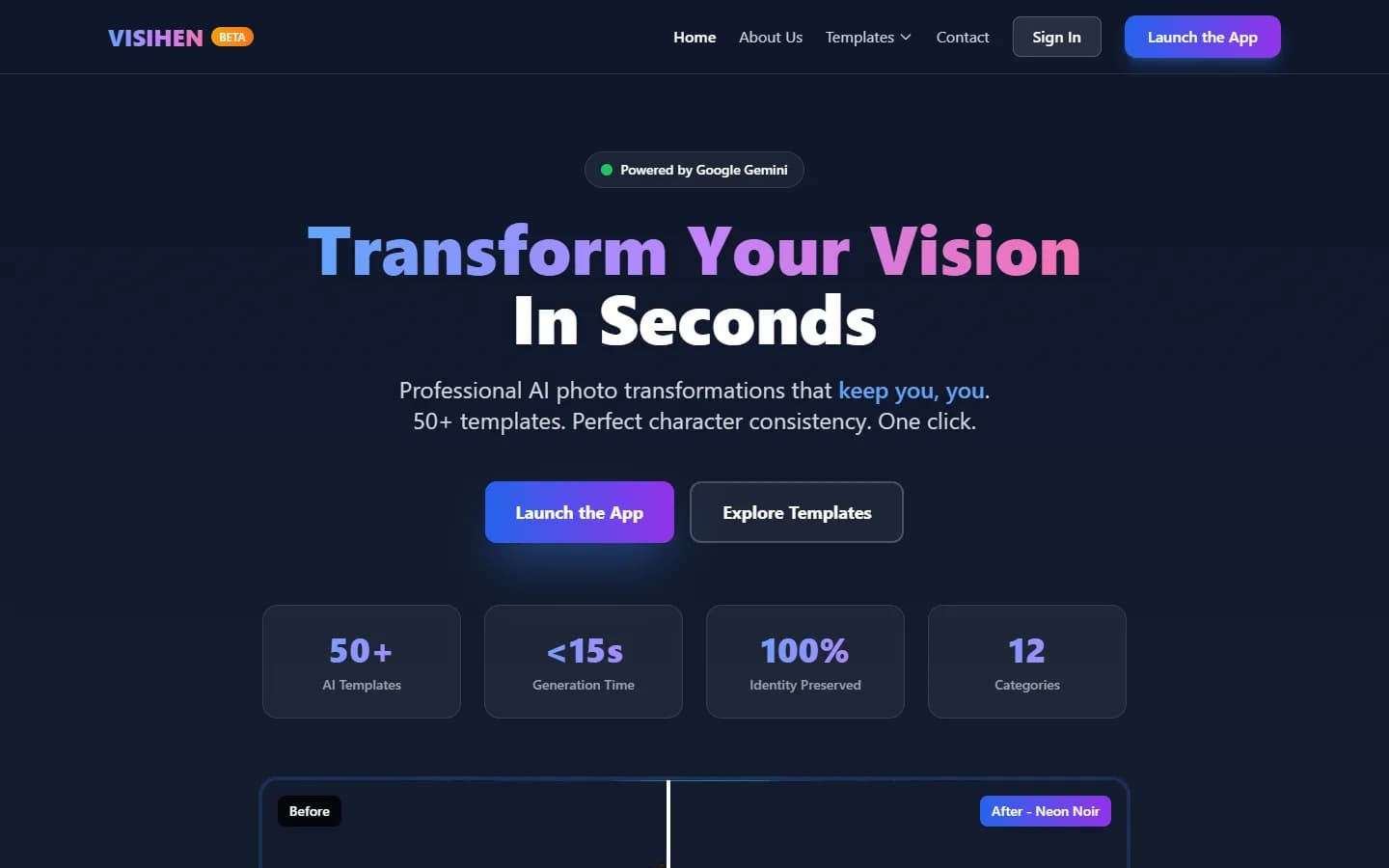
- Creative and marketing work: image transformation and first drafts of content.
Separate assistance from authority
An AI assistant can collect context, draft a response, compare information or flag an inconsistency. The organisation must still decide who approves the final output. This distinction is especially important in healthcare, finance, education records and other high-impact workflows.
In practice, this means designing review into the workflow rather than hoping someone will check. A draft reply waits for approval before it is sent. A flagged stock discrepancy goes to a manager rather than adjusting figures automatically. A suggested clinical reference is shown to a clinician who decides whether it applies. Each step has a named person, and the system records what they approved.
Clear authority also makes adoption easier. Staff are more willing to use an assistant when they understand it supports their judgement rather than replacing it, and managers are more comfortable when they know where responsibility sits.
Ground AI in trusted information
When an assistant answers questions about internal policy, local standards or technical material, it should use clearly identified sources and show enough context for a person to verify the answer. A general-purpose chatbot trained on global internet text may not know your prices, your procedures or the rules that apply in Cameroon.
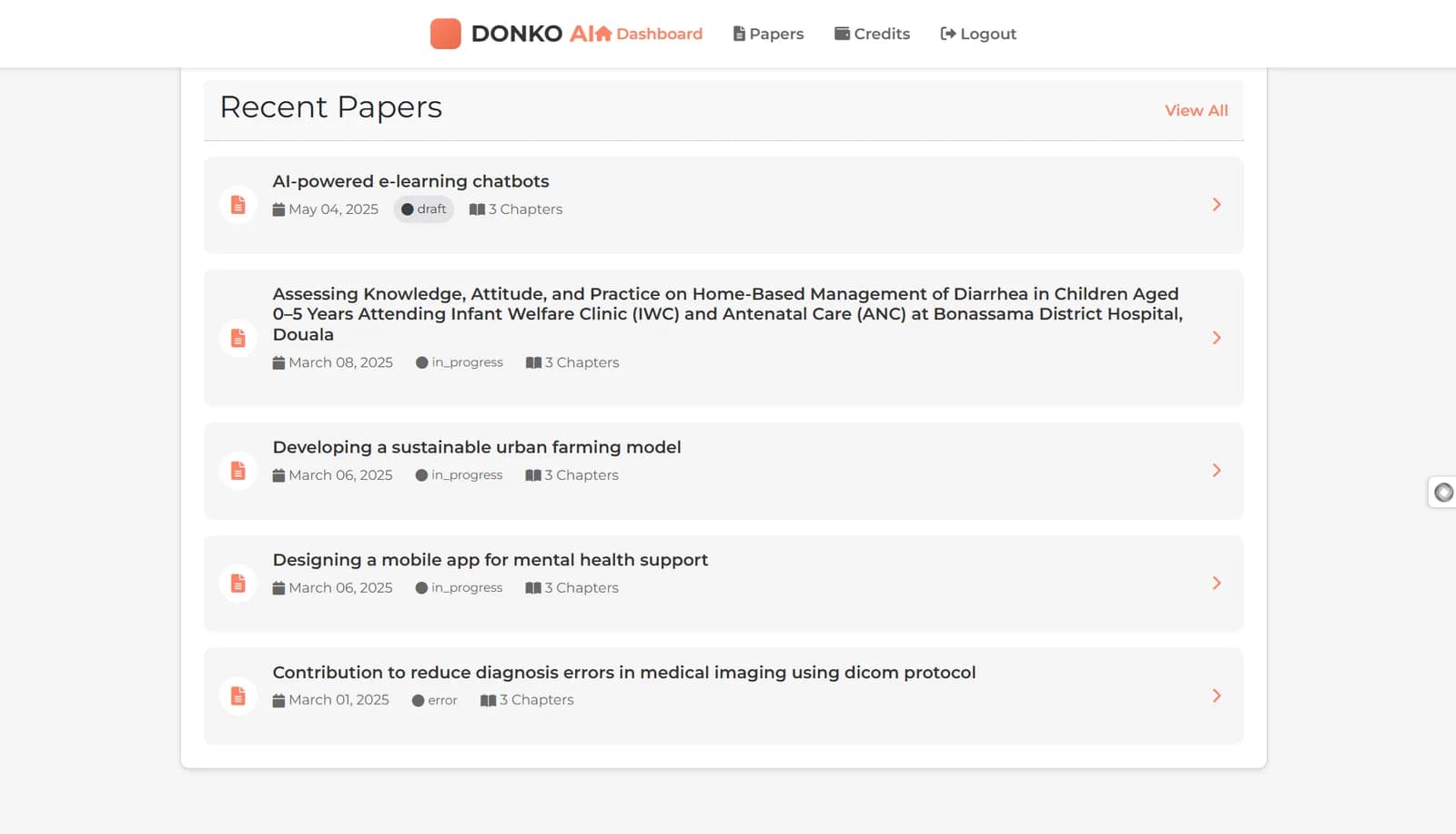
MedZyra, a medical AI that MOGADONKO is developing, illustrates this approach. It is being grounded in the North West Regional Standard Treatment Guidelines so that its answers reflect local clinical guidance, while remaining a support tool for qualified professionals rather than a replacement for them. DONKO AI, a research-writing prototype, explores how AI can assist structured writing while keeping the author responsible for sources and conclusions.
Design for local operating conditions
Systems designed elsewhere often assume constant fast internet, desktop computers and a single language. Many African organisations work differently.
- Use interfaces that remain clear on mobile devices.
- Plan for inconsistent connectivity where relevant.
- Support English and French where your staff and customers use both.
- Control the amount and sensitivity of data shared with external services.
- Provide an understandable manual fallback.
- Train the people responsible for reviewing outputs.
Get your data in order first
AI and automation depend on the information they are given. If sales are recorded in notebooks, stock counts are inconsistent or customer records are scattered across phones, the first step is often a reliable operational system, such as a point of sale, a school platform or a simple database. Once data is captured consistently, dashboards, alerts and AI features become far more valuable.
A pharmacy that records every sale per staff member can later receive automatic discrepancy alerts. A school that keeps marks in one platform can later generate analysis by class or subject. In both cases the useful intelligence depends on the ordinary discipline of recording information correctly every day.
Common mistakes to avoid
- Starting with the technology instead of the problem, and then searching for a use for it.
- Automating a broken process, which only produces errors faster.
- Trusting AI output without review because it sounds confident and fluent.
- Pasting confidential customer, patient or financial data into public tools.
- Expecting staff to adopt a new tool without training or a clear reason to change.
- Measuring success by enthusiasm in the first week rather than by results after a month.
Most of these mistakes are avoided by the same habit: define the problem and the measure of success before choosing a tool, and keep a named person responsible for the outcome.
Begin small, then integrate
A focused pilot can prove whether the workflow benefits from AI before the organisation connects larger databases or multiple departments. Once the benefit and controls are clear, the system can expand carefully.
- Choose one repeated, measurable task.
- Record the baseline: time, errors and cost.
- Run a short pilot with a small group of users and a named reviewer.
- Compare results with the baseline and collect user feedback.
- Decide to expand, adjust or stop, based on evidence.
Skills matter as much as systems. Staff who understand how to use assistants such as ChatGPT and Claude responsibly get more value from any AI investment, which is why MOGADONKO Academy offers practical training on AI for everyday work.
MOGADONKO builds grounded AI assistants, dashboards, data workflows and automation around specific organisational problems, with human verification designed into the process.
Frequently asked questions
How can a small business in Africa start using AI?
Start with a repeated task such as drafting replies, summarising documents or preparing reports. Use general assistants first, measure the time saved, then consider a dedicated tool if the benefit is clear.
Is AI expensive to implement?
It does not have to be. General AI assistants have free or low-cost plans, and a focused pilot costs far less than a large system. Costs rise with custom integration, so prove value first.
What is the difference between AI and automation?
Automation follows fixed rules for predictable steps. AI handles tasks involving language, images or judgement. Many useful systems combine both, with people approving important outputs.
Can AI replace staff in my business?
In most practical cases AI supports staff by removing repetitive work and speeding up research and drafting. People remain responsible for decisions, customer relationships and checking outputs.
How do I keep business data safe when using AI?
Share only the data a task needs, avoid putting sensitive records into public tools, check privacy settings, use business plans or private systems for confidential data, and keep human review in place.